
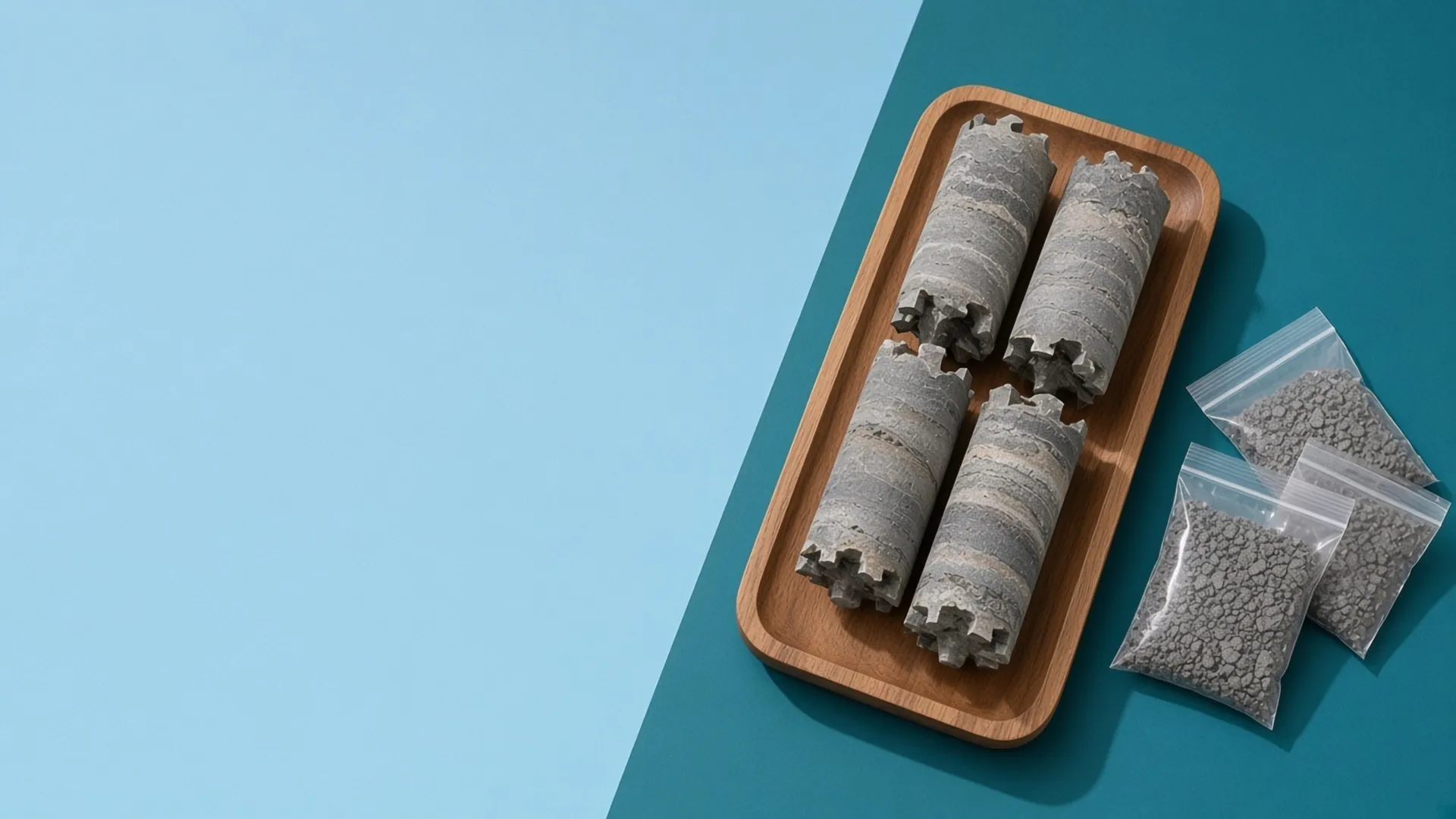
Your samples reach the lab, not a holding shelf.
Drill core, rock, pulps, soil and concentrates, from site to lab. We check destination import rules and lab permits before pickup, and report status at every handoff until the lab logs it in.
Four of the five failures hit mining samples first.
We plan against all five before pickup. These are the ones we flag first in this sector.
Refused
Some concentrates are classed as dangerous goods, which limits how they can fly.
We review the safety data sheet and classification before booking and route them separately when needed.Held
Soil needs the lab’s import permit, and a vague invoice stops the box at entry.
We confirm the permit and prepare the invoice with you.Spoiled
How we plan for it
A split bag mixes samples. The batch has to be resampled.
We pack it, or work with the original packaging.Late
The lab slot is booked. A late batch loses it.
We plan one route back from the lab date.Orphaned
Results only hold if every sample can be traced from site to lab.
Sample IDs are checked at pickup and status is reported at every handoff until the lab confirms receipt.How we handle it, in detail
The soil in the shipment.
Soil and sediment are controlled in many destinations. Without the lab’s import permit and the right labels, the parcel can be returned or destroyed. We confirm what the receiving lab and the destination require, pack the samples or work with the original packaging, and put the documents where customs expects them.
The concentrate leaving Peru.
Rules for concentrate samples leaving Peru, and other origins, can include sampling and testing by an independent accredited lab. Requirements vary and change, so we check the current rules for each shipment at quote and plan the route around them.
The invoice.
A vague description, a wrong code or an unrealistic value on the invoice stops the box at customs. We prepare the commercial invoice and contents list with you: clear description, analysis purpose and a realistic value.
The chain of custody.
Results only hold if every sample can be traced from site to lab, and the lab date does not move. Sample IDs are checked against your list at pickup, one route is planned to the lab, and status is reported at every handoff until the lab confirms receipt.
The concentrate classed as dangerous goods.
Some concentrates are classed as dangerous goods, which limits how they can fly. We review the safety data sheet and classification with you before booking and route the concentrate accordingly, separate from the rest when needed.
What we move: drill core and rock, pulps and rejects, soil and sediment, concentrates.
Five lines. The sample ID list carries the custody.
The five lines
- Site and the receiving lab
- What it is: core, rock, pulps, soil or concentrate
- Sample list with IDs and weights
- Date it must land (we plan back from it)
- Safety data sheet for concentrates
- Condition
- Ambient
- DG
- Concentrate classified before booking
- Date it must land
- [your date]
- Owner
- One named Samplify team
- Commercial invoice
- Sample ID list
- Lab import permit
- Safety data sheet
- Five details received
- Planned back from your date
- Route plan sent to you
- Pickup
- Receiver confirms
Example only. Not a real shipment or client.
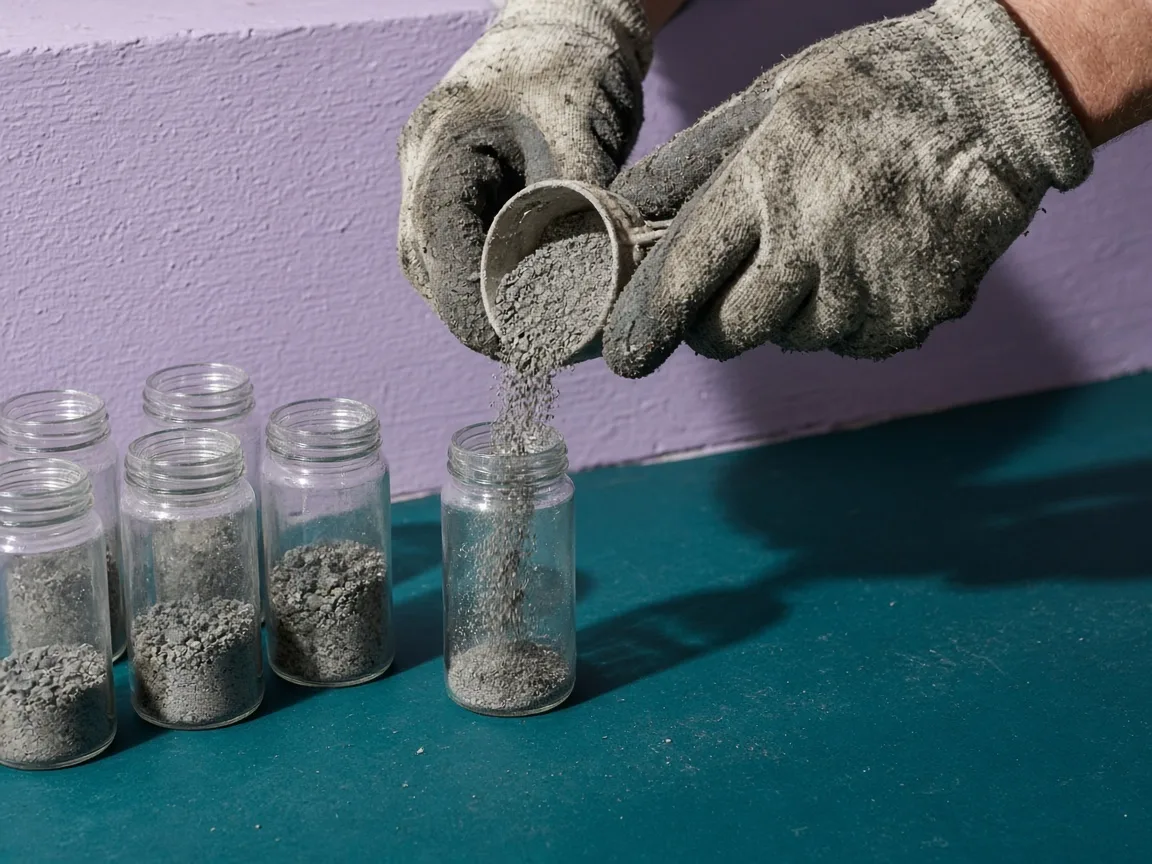
What a shipment like this involves.
Read the case and what has to be right
Published drilling reports from Andean and Mexican exploration programs describe the same route. Core is logged and sawn in half on site, and one half is kept in core boxes. The other half is bagged, sealed and labeled with sample IDs, and taken to a preparation lab in the same country. There it is crushed and pulverized, and the pulps are sent to a lab in another country for assay. Selected pulps go to a second lab as checks. Blanks, standards and duplicates travel in every batch, so chain of custody has to hold from site to lab.
Based on published exploration reports. Not a Samplify client case.
What has to be right:
- Soil and rock travel apart. Clean rock and core often need no plant health permit. Soil needs an import permit held by the receiving lab.
- Each parcel carries the right declaration and, for soil, the lab’s permit outside the box.
- The invoice gives a clear description and a real, non-zero value. Vague or zero values get held at customs.
- We can pack your samples, or work with the original packaging.
- Concentrates are classified before booking. Rules for concentrate samples vary by origin, so we check current requirements per shipment.
- Chain of custody holds from site to lab, so the QA/QC samples stay valid.
What goes wrong when it is not: parcels held, heat treated, returned or destroyed, and a batch that has to be resampled.
How it gets solved: check the destination rules and the lab’s permits first, then pack, document and route to match.
Services used for mining samples: Documentation and permits, Dangerous goods, International logistics, Tracking and data. Shipping from or to: see coverage.
Short answers before you ship.
Which mining samples do you move?
Drill core and rock, pulps and rejects, soil and sediment, and concentrates.
How do you handle soil samples?
We confirm what the receiving lab and the destination require, and pack soil apart from rock in sealed, leak-proof containers.
How do you keep chain of custody?
Sample IDs are checked against your list at pickup, and status is reported at every handoff until the lab confirms receipt.
Are concentrates dangerous goods?
Some are. We review the SDS and classification with you before booking and route the concentrate accordingly.
What should I send?
The sample ID list, which carries the custody, plus the five details.
Related guide: How do I ship a sample that is dangerous goods?