
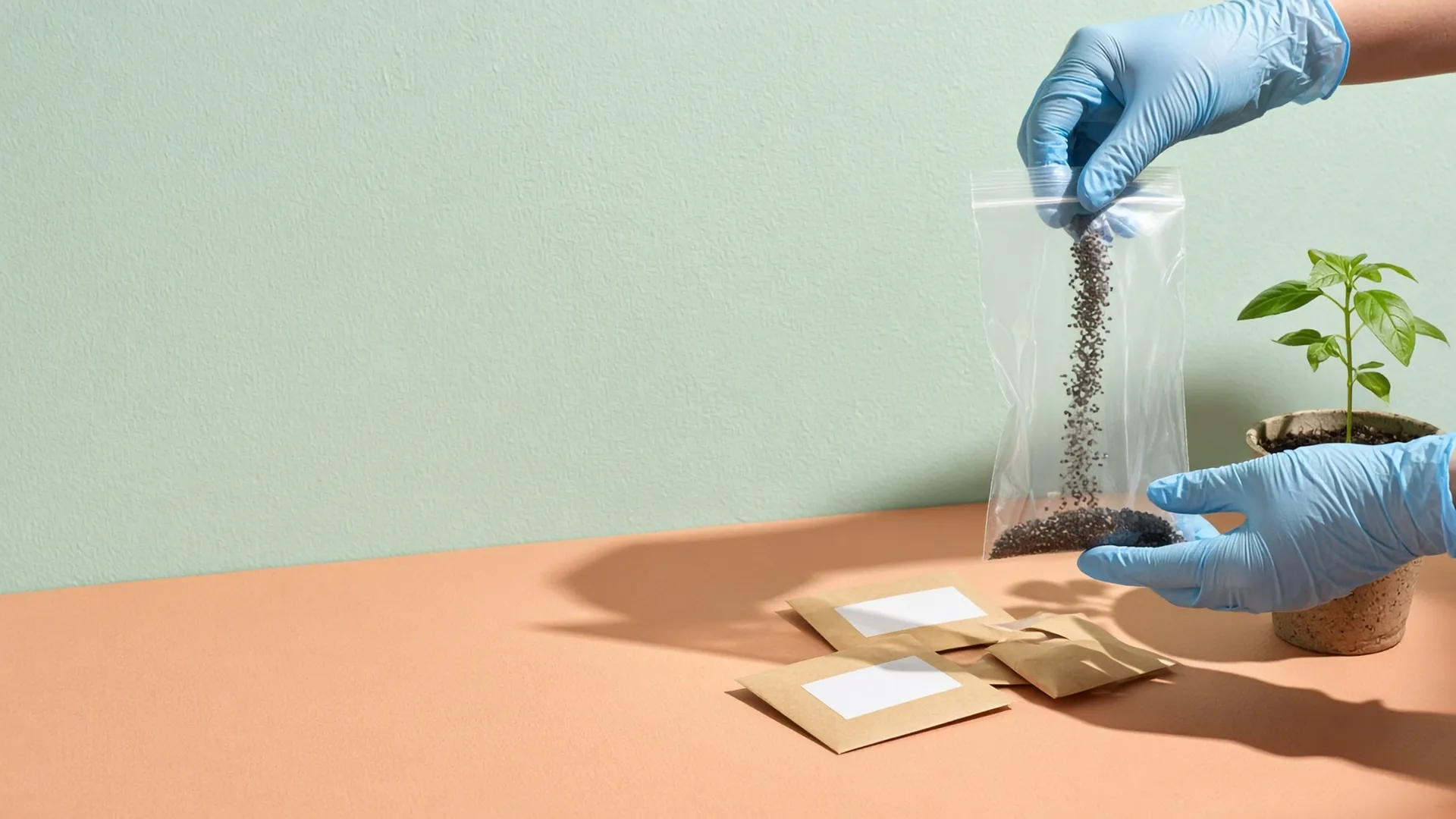
Your seed samples reach the trial, not quarantine.
Seeds, plant material, soil and crop protection samples, from your station to the lab or trial site. We check the destination’s plant health rules, permits and packing before pickup.
Three of the five failures hit agro samples first.
We plan against all five before pickup. These are the ones we flag first in this sector.
Refused
Crop protection samples are often dangerous goods.
We review the safety data sheet and classification before booking.Held
Seeds and plant material usually need a phytosanitary certificate or an import permit.
We confirm which document applies with you and the receiving lab, then label, list and seal each packet.Spoiled
How we plan for it
Seed that overheats or gets wet may not germinate at the trial.
We seal each packet and pack it for the route it travels.Late
The trial is planted on a set date. Seed that misses it waits a season.
We plan back from that date and flag origin requests at quote, so they are filed before pickup.Orphaned
How we plan for it
Seed, soil and crop protection samples often travel in one request.
One Samplify team owns every packet until the receiving lab confirms.How we handle it, in detail
The plant health papers.
Seeds and plant material usually need a phytosanitary certificate or an import permit at destination, with set labels, invoice details and sealed packets. Without them the samples are refused. We confirm with you and the receiving lab which document applies, then label each packet, list the scientific name and origin on the invoice and seal everything against spillage.
The crop protection sample.
Pesticide and agrochemical samples are often dangerous goods, need an SDS, and many destinations ask for an import permit or a trial authorization when the product is not registered there. We review the SDS and classification with you before booking and confirm the receiver holds what the destination requires.
The soil and the pallet.
Soil carried with roots or in a separate bag needs its own permit. We ship it only under the receiver’s permit, and we pack it or work with the original packaging.
The biotech line.
Genetically engineered seeds or organisms can need a separate biotech authorization and specific double containment. We ask about the material up front and pack to the containment the authorization sets.
The export request at origin.
Some origins require the sender to be registered and to file a seed export request ahead, including a commitment not to pass unregistered material to third parties. We flag this at quote so the request is filed before pickup.
What we move: seeds and grain, plant tissue and leaves, soil, fertilizer and crop protection samples.
Five lines. Start with the receiver’s permit.
The five lines
- Origin station and the lab or trial site
- What it is, with scientific name and origin
- The receiver’s permit, if one applies
- Date it must land (we plan back from it)
- Safety data sheet for crop protection samples
- Condition
- Ambient
- DG
- Not dangerous goods
- Date it must land
- [your date]
- Owner
- One named Samplify team
- Commercial invoice
- Phytosanitary certificate
- Import permit, if required
- Five details received
- Planned back from your date
- Route plan sent to you
- Pickup
- Receiver confirms
Example only. Not a real shipment or client.
About 1 in 25 imported crop samples in one national quarantine program (April 2019 to March 2024) was found infested or infected with pests.
Industry data, not a Samplify result. Source: Public national plant quarantine report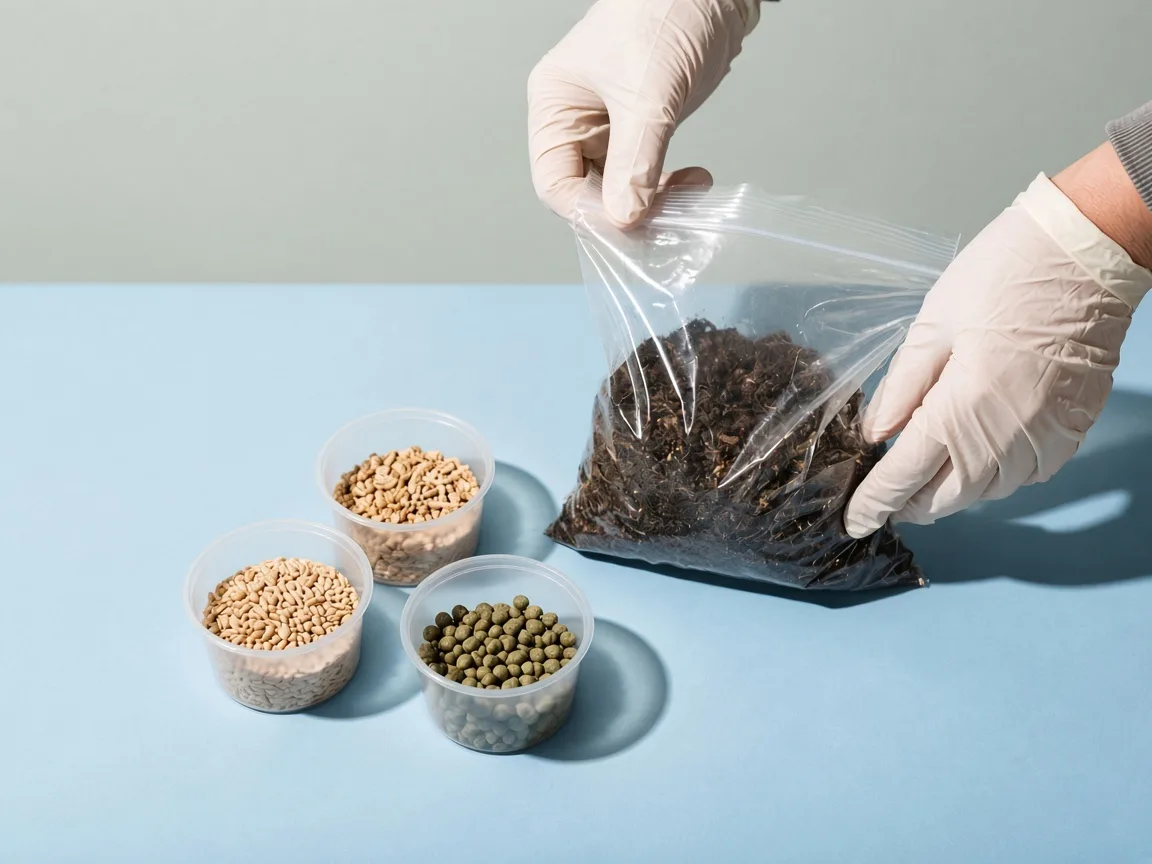
What a shipment like this involves.
Read the case and what has to be right
A breeding team in South America sends seed of several lines to a partner lab abroad for testing. A soil sample from the trial plot and a sample of an experimental crop protection product go in the same request.
What has to be right:
- The seed travels with a phytosanitary certificate or under the receiver’s import permit, whichever the destination accepts.
- Each packet is sealed and labeled, and the invoice names the plant, its origin and the lot.
- At origin, the seed export request is filed before pickup where the origin requires it.
- The soil travels apart from the seed, under the receiving lab’s soil permit.
- The crop protection sample is classified from its SDS, and the receiver holds the import or trial authorization the destination asks for.
- We pack it, or work with the original packaging.
What goes wrong when it is not: samples refused, held in quarantine, returned or destroyed, and a trial season that starts late.
How it gets solved: check the destination plant health rules and the receiver’s permits first, then pack, document and route to match.
Based on public lab guides and regulator pages. Not a Samplify client case.
Services used for agro samples: Documentation and permits, Dangerous goods, Packaging, kitting and labeling, International logistics. Shipping from or to: see coverage.
Short answers before you ship.
Do seed samples need a phytosanitary certificate?
Usually a phytosanitary certificate or an import permit at destination. We confirm with you and the receiving lab which one applies.
Can soil travel with the seed?
We keep soil apart and ship it only under the receiver’s permit.
Do you use wooden pallets?
We pack without untreated wood, which is refused at entry.
Are crop protection samples dangerous goods?
Often. We review the SDS and classification before booking and confirm the receiver holds what the destination requires.
Can you ship genetically engineered seed?
We ask about the material up front and pack to the containment the biotech authorization sets.
What does the origin require?
Some origins require a seed export request filed ahead. We flag it at quote so it is filed before pickup.
Related guide: What do I need to ship seed samples to another country?