
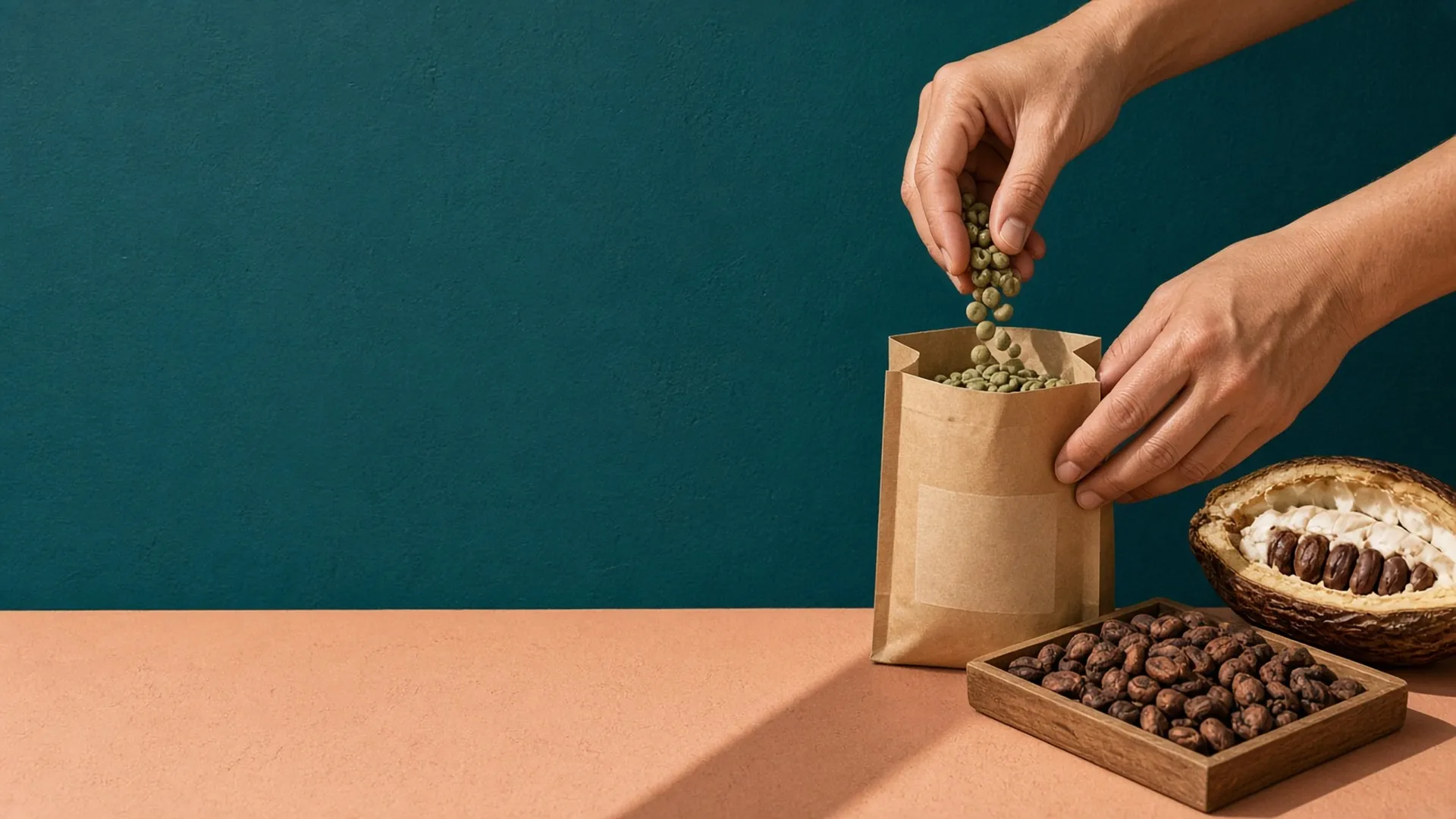
Your buyer cups on a set date. The sample is on the table.
Green coffee, cocoa beans and finished products, from origin to buyers, roasters and labs. We check origin and destination rules before pickup, so the documents match what the destination asks for.
Three of the five failures hit coffee or cocoa samples first.
We plan against all five before pickup. These are the ones we flag first in this sector.
Refused
How we plan for it
Coffee and cocoa are rarely dangerous goods, but a flavored or processed product can be.
We check every item at intake and book a lane that accepts it.Held
A missing declaration, an unsigned certificate or a vague invoice can hold or return the parcel.
We confirm what the destination asks for and prepare the invoice with you: clear contents, sample purpose, realistic value.Spoiled
Moisture, odors and a weak seal can spoil a sample.
We pack it, or work with the original packaging.Late
The buyer cups on a set date, and the lot may not wait.
We plan one route back from that date, with tracking from pickup to delivery.Orphaned
How we plan for it
Origin, exporter, buyer and lab all touch the sample. Someone has to own it.
One Samplify team owns it from pickup until the buyer confirms receipt.How we handle it, in detail
The destination rule.
Each destination has its own plant health rules. A missing declaration or an unsigned certificate can hold or return the parcel. Before pickup, we confirm what the destination asks for and help you line up the documents with the exporter.
The sample that arrives as it left.
Moisture, odors and a weak seal can spoil a sample. We can pack it, or work with the original packaging, and we follow the destination’s rules.
The rule at origin.
Some origins only allow coffee exports by a registered exporter, and you find out after the sample is packed. We check export requirements at origin up front, so you decide early.
The cupping date.
The buyer cups on a set date, and the lot may not wait. We plan one route around the date you need, with tracking from pickup to delivery.
The invoice.
A vague description or an unrealistic value on the invoice triggers questions at customs. We prepare the commercial invoice with you: clear contents, sample purpose and a realistic value.
What we move: pre-shipment and offer samples, green coffee for cupping and lab tests, cocoa beans and derivatives, finished coffee products for R&D.
Five lines, starting with who exports at origin.
The five lines
- Origin and destination: buyer, roaster or lab
- What it is: green coffee, cocoa beans or finished product, and weight
- Who exports at origin, if a registered exporter is involved
- Date it must land (we plan back from it)
- Technical sheet, if you have one
- Condition
- Ambient
- DG
- Not dangerous goods
- Date it must land
- [your date]
- Owner
- One named Samplify team
- Commercial invoice
- Phytosanitary certificate
- Origin documents, as required
- Five details received
- Planned back from your date
- Route plan sent to you
- Pickup
- Receiver confirms
Example only. Not a real shipment or client.
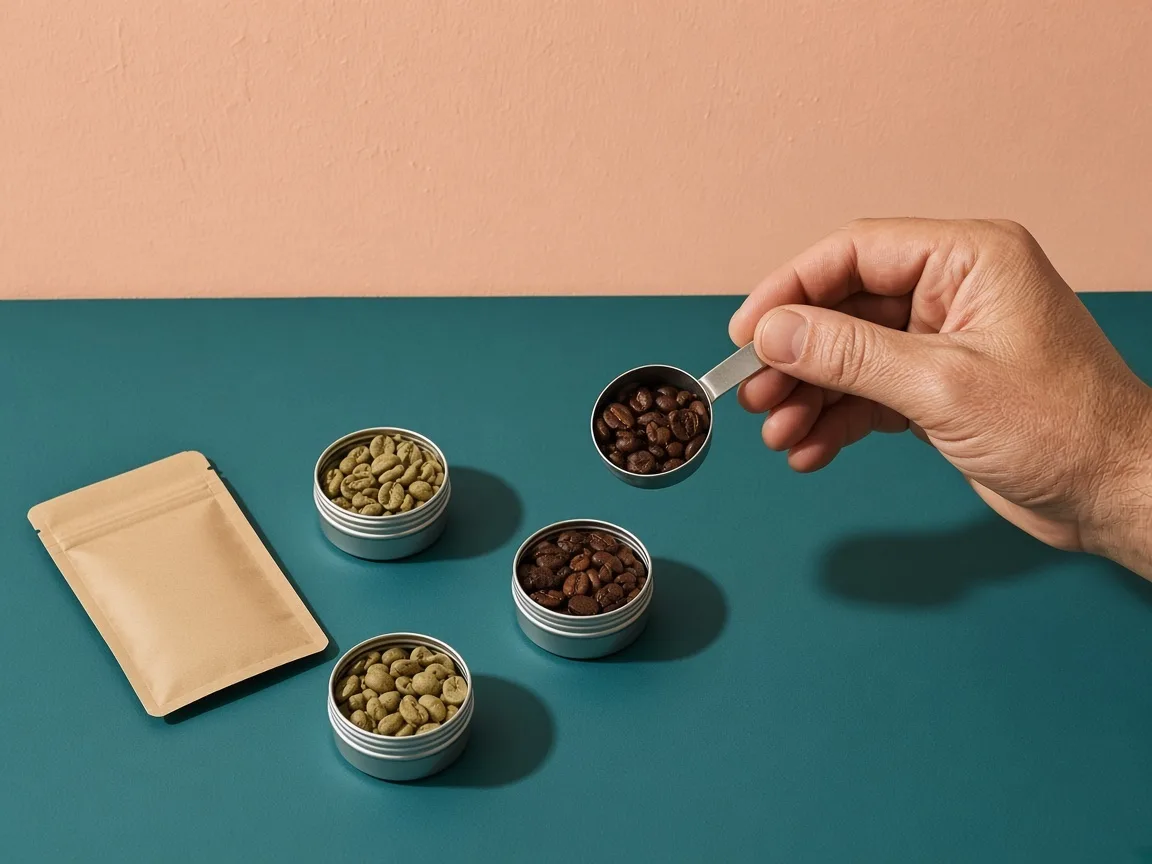
An origin rule caught before shipping.
Read the case and what has to be right
A beverage company asked for coffee products to be bought in one country and sent to its R&D team in another. Before shipping, we confirmed that coffee exports from that origin require the exporter to be registered with the national coffee authority, and raised it so the client could decide early.
Services used for coffee and cocoa samples: Documentation and permits, Packaging, kitting and labeling, International logistics, Sourcing with lot traceability. Shipping from or to: see coverage.
Short answers before you ship.
Is coffee dangerous goods?
Coffee and cocoa rarely are, but a flavored or processed product can be. We check every item at intake.
Which documents does a coffee sample need?
It depends on the destination. We confirm what the destination asks for and help you line up the documents with the exporter.
How do you protect cupping samples?
Sealed, clean packing, shipped Ambient and kept apart from other cargo.
Does the origin limit who can export?
Some origins only allow coffee exports by a registered exporter. We check export requirements at origin up front.
Can you meet a cupping date?
We plan one route back from the date you need, with tracking from pickup to delivery.
Related guide: What value should I declare on a free sample?